Networked Blackjack Platforms: Connectivity Across Digital Tables
Mia Jung · Aug 23, 2026
Networked Blackjack Platforms: Connectivity Across Digital Tables
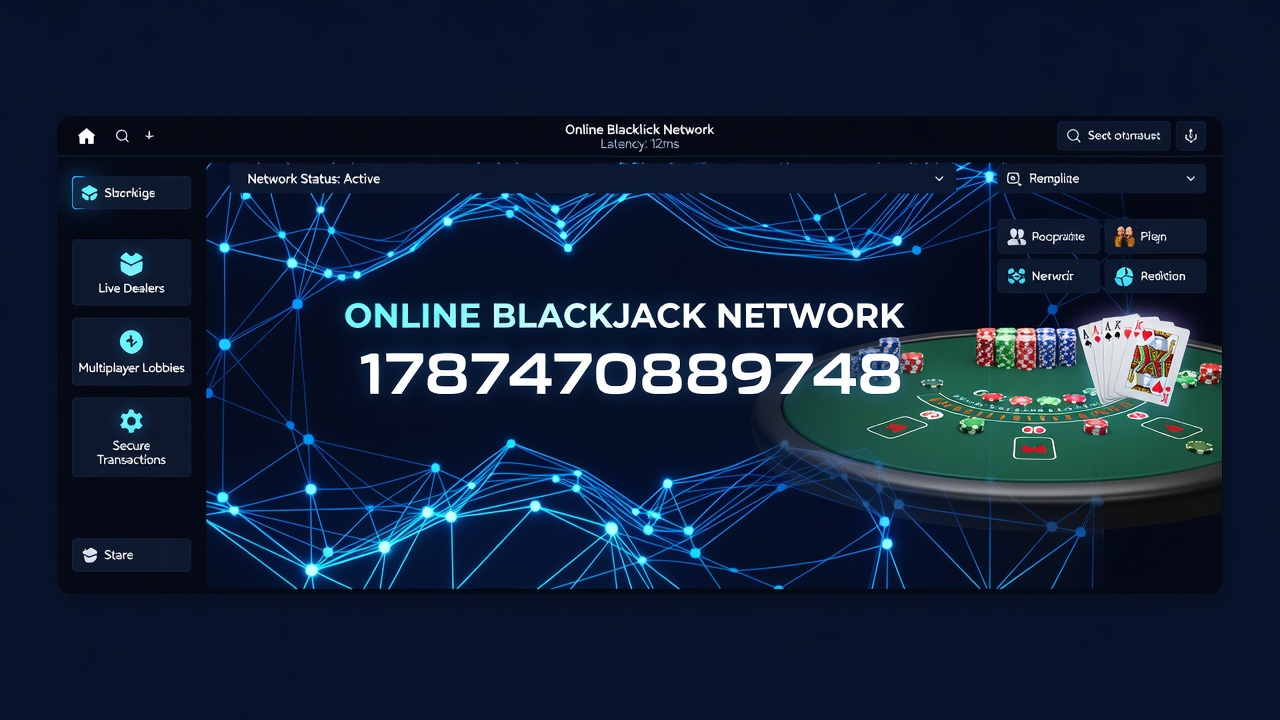
Networked blackjack platforms link players from various regions through shared game servers and synchronized dealer streams, creating environments where participants join tables hosted on centralized systems while accessing them via individual accounts. These setups rely on random number generators certified by independent testing labs, and operators maintain logs of all hands to comply with jurisdictional requirements. Data from industry reports indicate that such networks handle thousands of concurrent sessions daily, with peak activity often occurring during evening hours in major time zones.
Core Mechanics of Network Integration
Operators connect multiple sites under a single backend architecture, allowing players to move between virtual rooms without creating new profiles or transferring funds manually. This structure supports variants including classic blackjack, side bet options, and progressive jackpots that accumulate across the network. Research from university studies on digital gaming shows that integrated platforms reduce latency by routing traffic through regional data centers, and they employ encryption protocols that meet standards set by bodies like the Malta Gaming Authority. Observers note that these connections enable real-time leaderboards and shared tournaments, where results from one table feed into broader rankings visible to all participants.
Payment gateways integrate directly with the network, processing deposits and withdrawals through methods approved in each player's location. Figures from regulatory filings reveal that transaction volumes on these systems have grown steadily, driven by mobile access that lets users join from smartphones or tablets. Experts have observed that seamless wallet functions help maintain session continuity, as players switch devices without interrupting ongoing hands or bonus eligibility.
Regulatory Developments and August 2026 Updates
Regulatory frameworks evolve to address cross-border play, and changes scheduled for August 2026 in several jurisdictions will require networks to implement enhanced age verification and responsible gaming tools. These adjustments stem from agreements among international gaming associations that emphasize player protection while permitting licensed operations. According to reports issued by the Ontario Alcohol and Gaming Commission, updated rules will standardize reporting of network activity, requiring operators to submit anonymized data on session lengths and bet patterns. Those who've studied these shifts note that compliance involves software updates rolled out across servers, with testing periods beginning months in advance.
Player Pathways and Tournament Structures
Participants often start in practice modes before entering cash tables or bracket-style events that draw from the full network pool. One study revealed that such progressions correlate with increased retention rates, as users gain familiarity through low-stakes rounds. Networks schedule live dealer sessions at set intervals, coordinating with time zones to maximize attendance, and they display schedules on integrated calendars that update automatically. Data shows tournaments frequently feature buy-in tiers, with prize pools funded by entry fees and operator contributions.

Bonus structures tie into network activity, awarding points for completed hands that convert into credits or entries for special events. These systems track performance across variants, and players accumulate status levels that unlock higher table limits or exclusive promotions. Industry data indicates that reward tiers encourage longer engagement without altering core game rules, which remain consistent with traditional blackjack mathematics.
Technology and Security Foundations
Behind the scenes, servers process every card draw through certified algorithms, and independent auditors review monthly reports to confirm fairness. Network operators deploy distributed denial-of-service protections and monitor for irregular patterns that might indicate coordinated play. Research indicates that encryption standards have advanced to include multi-factor authentication at login, reducing unauthorized access incidents across platforms. Those who've examined the infrastructure find that cloud-based scaling handles traffic spikes during major tournaments, maintaining stable connections even as thousands log in simultaneously.
Integration with third-party providers allows networks to offer localized payment options, from bank transfers to digital wallets popular in specific markets. This flexibility supports participation from diverse regions while adhering to local currency regulations. Evidence from trade group analyses shows that such adaptability contributes to broader adoption, particularly among users who prefer instant funding methods.
Conclusion
Networked online blackjack continues to expand through interconnected systems that prioritize compliance, security, and accessible play. Updates planned for August 2026 will further shape these environments by strengthening verification processes and data reporting. Players benefit from unified accounts that span multiple sites, while operators manage operations under evolving rules from various regulatory bodies. The structure supports ongoing innovation in tournament formats and reward mechanisms without changing the fundamental probabilities of the game itself.