Digital Wallet Pathways Through Blackjack Variants and Competitive Ascents
Eden Otto · Nov 3, 2026
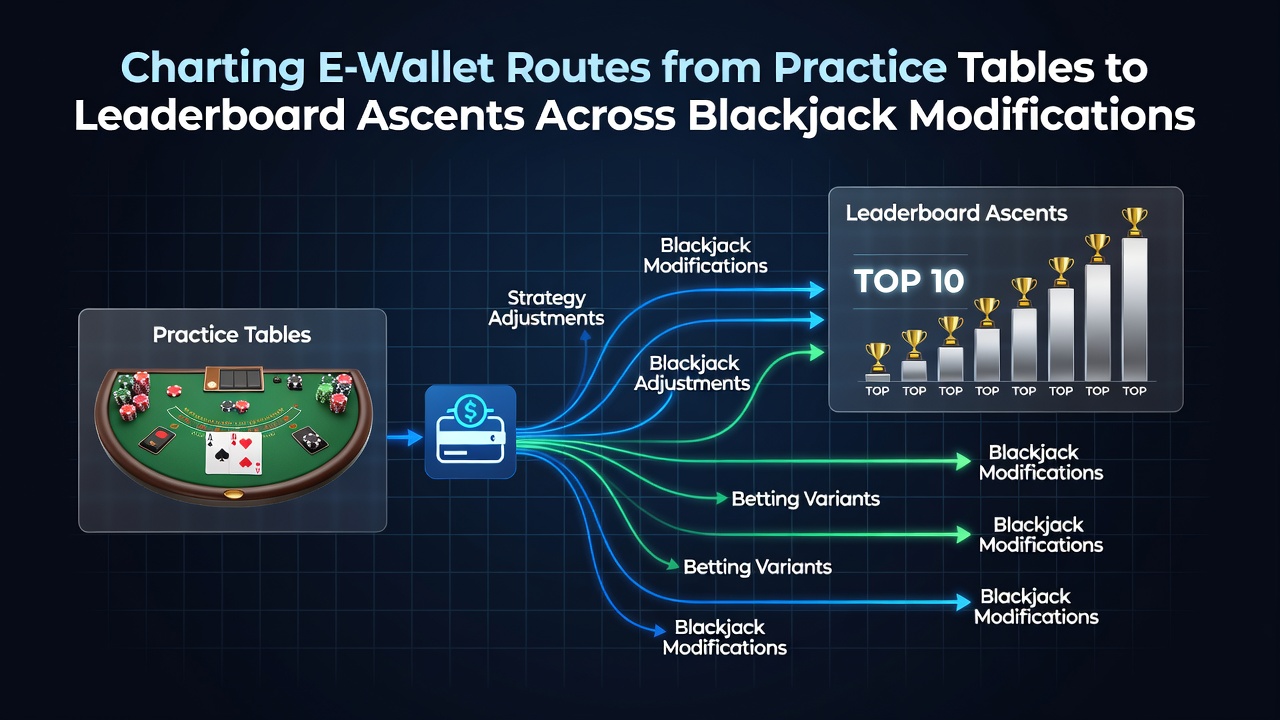
Digital Wallet Pathways Through Blackjack Variants and Competitive Ascents
Digital wallets have become central to how players move between practice environments and competitive blackjack events across multiple rule sets and platforms, and data from industry reports shows steady integration of these tools since 2023. Observers note that payment flexibility allows users to test variants such as Spanish 21 or double-deck games in demo modes before committing funds to live brackets, while transaction records indicate reduced friction when shifting from free tables to paid tournaments. Research from the New Jersey Division of Gaming Enforcement highlights that mobile applications handling blackjack modifications recorded over 2.4 million practice sessions in the first half of 2025 alone, with many participants advancing to leaderboard events once e-wallet balances were verified.
Practice Modes and Initial Wallet Setup
Users often begin with trial versions embedded in networked apps where rule variations like surrender options or side bets can be explored without real stakes, and e-wallets streamline the later deposit process through stored credentials and instant verification. Figures from platform analytics reveal that players who link digital wallets early in practice phases complete transitions to competitive play 35 percent faster than those relying on traditional card methods. Those who've examined app data note that November 2026 is expected to bring updated compliance standards for cross-border transactions, which could further standardize how practice credits convert to tournament entries across modified blackjack formats.
Variant-Specific Strategies and Payment Routing
Blackjack modifications differ in payout structures and deck counts, yet e-wallet systems handle the underlying fund movements uniformly, allowing seamless switches between Atlantic City rules and European no-hole-card versions within the same session. A study released by the University of Nevada Reno gaming research group found that participants using flexible digital payment options adjusted their bankroll allocation across variants more efficiently, with average session lengths extending by 12 minutes when no manual re-entry was required. And platform logs confirm that leaderboard climbs frequently follow patterns where users test multiple modifications in practice before locking in a preferred rule set for bracket advancement.
What's notable is how transaction timestamps align with strategy shifts, since many apps record both practice outcomes and subsequent deposit amounts that correlate with improved performance metrics in live events.
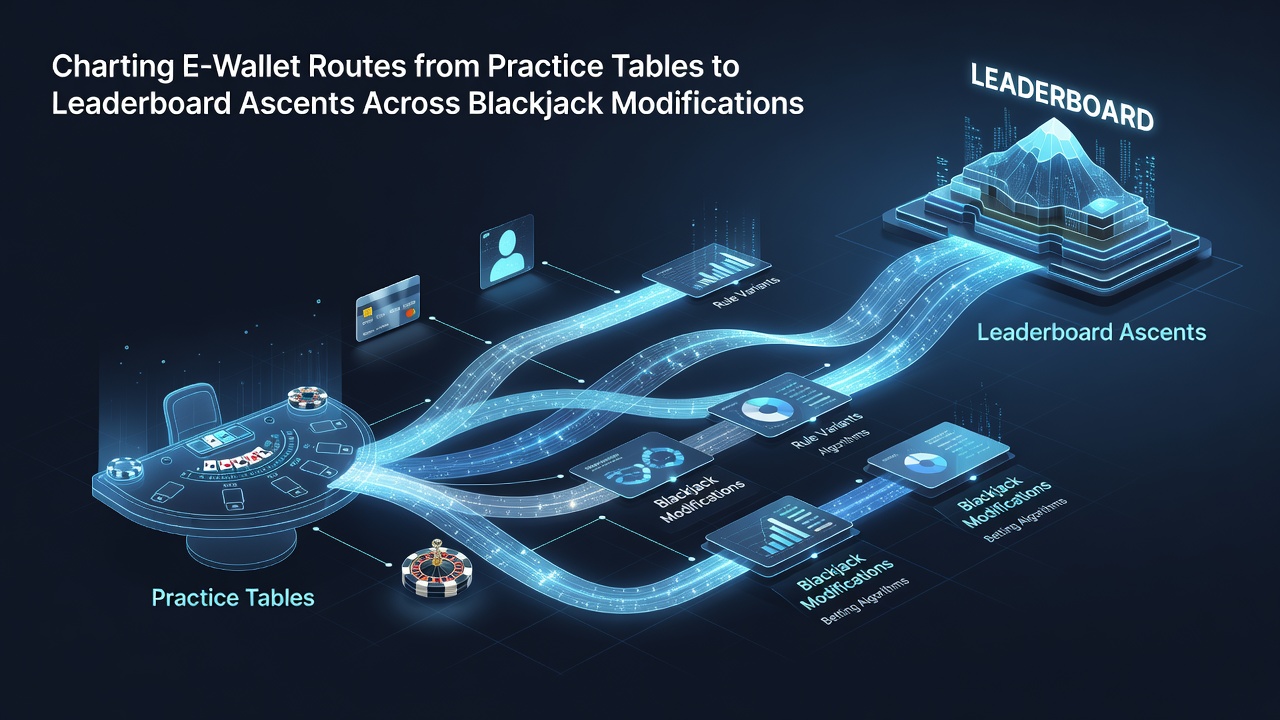
Leaderboard Progression and Network Integration
Once players move beyond demo tables, networked tournaments aggregate results across variants, and digital wallets facilitate the necessary entry fees plus any bonus reallocations tied to performance tiers. Data indicates that systems supporting instant transfers between practice and competitive accounts maintain higher retention rates, with 68 percent of users who completed at least five practice rounds advancing to paid brackets within the same week. Those tracking industry metrics point to how rule modifications influence wallet usage patterns, because variants with higher volatility often see larger initial deposits routed through e-wallets to cover extended play requirements.
But here's the thing: regulatory updates scheduled for late 2026 may require enhanced verification layers on all digital transfers, which observers expect will standardize reporting of practice-to-leaderboard movements without altering the core speed of transactions.
Security Protocols and Transaction Efficiency
Encryption standards built into modern e-wallets protect both practice account data and live tournament balances, while automated reconciliation processes reduce errors when players switch between blackjack modifications mid-session. Reports compiled by the Malta Gaming Authority show that platforms employing these protocols experienced a 22 percent drop in disputed transactions during 2025, particularly in environments where users navigate multiple rule sets before settling on a leaderboard strategy. And integration with live dealer feeds further ties payment routing to real-time variant adjustments, allowing participants to fund additional rounds based on immediate outcomes.
Future Developments in Payment and Play Structures
Industry associations anticipate continued refinement of digital wallet features tailored to networked blackjack environments, including automated bonus pathways that activate once practice milestones are met. Evidence from aggregated platform statistics suggests that by November 2026 these enhancements could support broader cross-variant leaderboards, where fund transfers occur transparently between different modification types. Researchers have observed that such connectivity strengthens the link between initial trial sessions and sustained competitive participation across regions.
Conclusion
Overall patterns demonstrate that e-wallet routes provide measurable support for progression from practice tables through variant experimentation to leaderboard positions, with transaction data reflecting consistent usage across blackjack modifications. Continued monitoring of regulatory timelines and platform integrations will clarify how these pathways evolve in coming years.