Digital Wallet Features and Strategic Rule Changes Accelerating Player Journeys in Live Blackjack Networks
Taylor Wolf · Jul 21, 2026
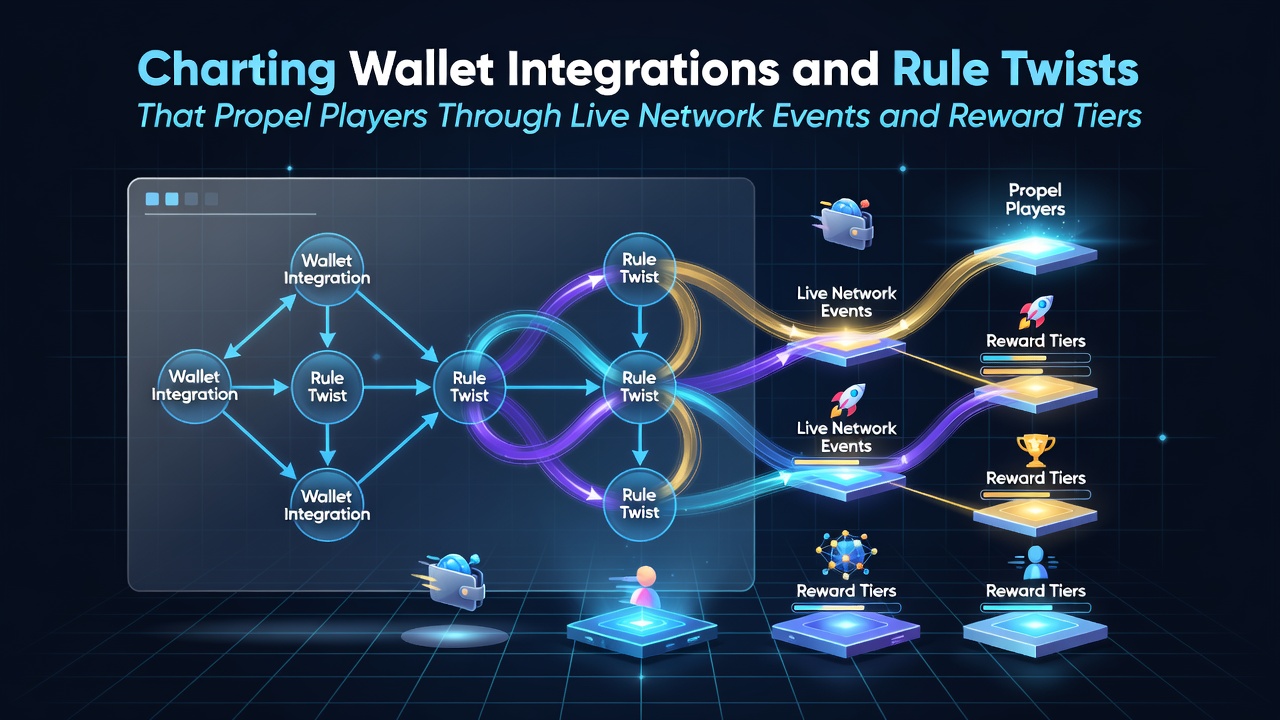
Digital Wallet Features and Strategic Rule Changes Accelerating Player Journeys in Live Blackjack Networks
Digital wallet integrations have become central to how participants move through live network events in blackjack platforms, and operators continue to adjust rules in ways that align payment flows with advancement mechanics across reward tiers. These systems allow seamless transfers that support entry into bracketed competitions while maintaining compliance with platform-specific parameters.
Payment Integration Patterns Across Networked Platforms
Network operators link digital wallets directly to tournament registration modules, which reduces friction when players shift from practice sessions into live variants. Data from multiple platforms shows that integrated payment options correlate with higher retention rates during multi-stage events, because users avoid repeated verification steps. Those who study transaction logs note that real-time balance updates help participants monitor their standing without exiting active tables.
Wallet providers now embed features such as instant conversion between regional currencies and loyalty points, and these tools connect to leaderboard calculations in networked environments. July 2026 marks the scheduled rollout of enhanced API standards that several major networks plan to adopt, which will standardize how bonus credits transfer into live event entries.
Rule Modifications That Influence Event Progression
Rule twists often appear in the form of adjusted payout structures or modified dealer hit requirements that reward consistent participation across sessions. Observers note that platforms introduce these changes to balance competitive brackets, and the adjustments frequently tie into tiered reward systems where accumulated points determine access to higher-stakes rounds. When rules permit limited re-buys funded through connected wallets, players maintain momentum through extended live events rather than exiting early.
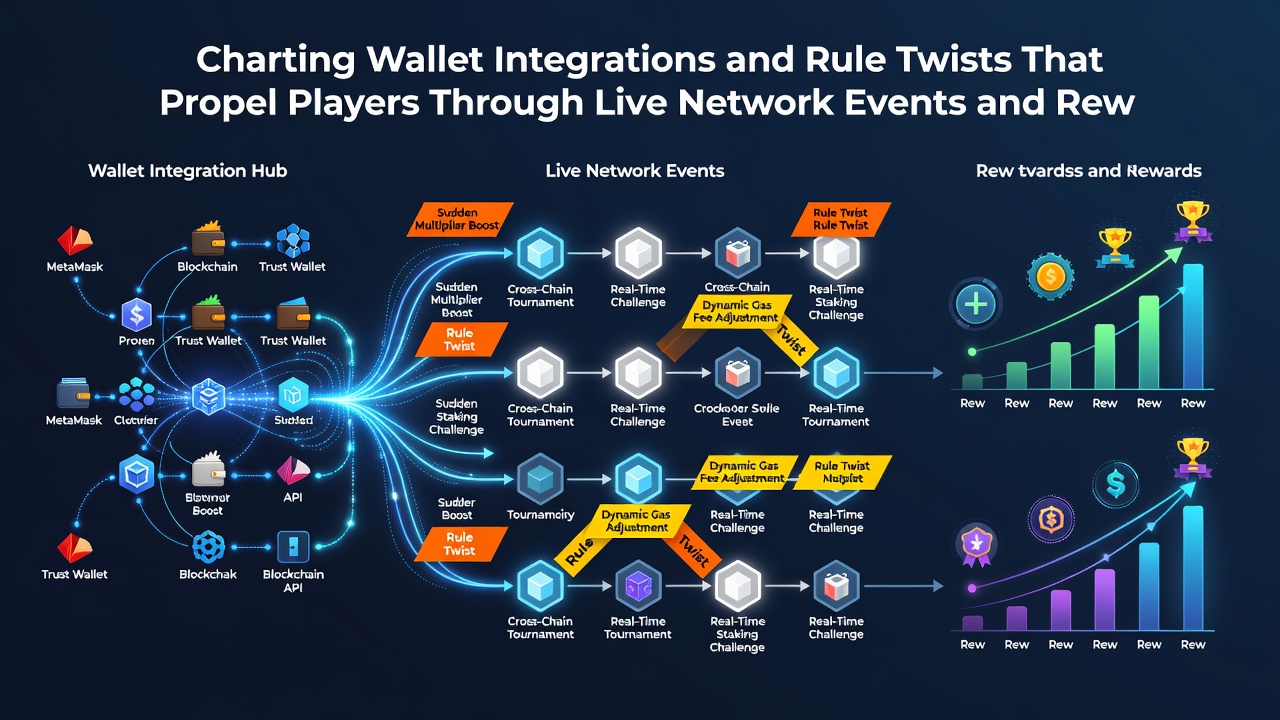
One documented approach involves dynamic rule sets that scale with player tier level, and networks report that these variations increase completion rates for full event cycles. Research from gaming analytics firms indicates that rule modifications synchronized with wallet-enabled deposits lead to more predictable progression paths, because participants can respond quickly to updated parameters without leaving the interface.
Live Event Structures and Reward Tier Mechanics
Live network events typically unfold in bracket formats where initial qualifiers feed into elimination rounds, and reward tiers grant escalating benefits such as priority seating or exclusive variant access. Wallet integrations support this structure by enabling rapid stake adjustments that match the requirements of advancing stages. According to figures from the Nevada Gaming Control Board, transaction volumes in networked blackjack events rose notably during periods when payment systems aligned closely with tier thresholds.
Platforms also layer incentive programs onto these events, where rule twists like side-bet multipliers or progressive jackpots activate based on cumulative performance metrics tracked through the wallet ecosystem. Those who analyze participation data find that players who utilize integrated payments complete more tiers per event cycle compared with those relying on slower funding methods.
Cross-Platform Examples and Implementation Trends
Case studies from operators in North America and parts of Asia demonstrate how wallet-linked rule adjustments sustain engagement across geographically distributed networks. For instance, certain platforms adjust minimum bet requirements in live variants when wallet activity reaches specific volume markers, which funnels participants toward higher reward brackets. Industry reports from the Australian Gambling Research Centre highlight similar patterns where synchronized payment and rule systems produce measurable increases in event completion statistics.
Networks continue testing hybrid models that combine fixed rule sets with optional twists funded through wallet balances, and early results suggest these approaches stabilize player flow between practice environments and competitive live sessions. The July 2026 API updates are expected to expand these capabilities by allowing more granular control over how credits convert into tier progression markers.
Conclusion
Wallet integrations paired with targeted rule modifications create structured pathways that carry participants from initial entries through live network events and into successive reward tiers. Platform data and regulatory records confirm these elements operate together to maintain consistent advancement mechanics, and upcoming technical standards scheduled for mid-2026 are positioned to refine those connections further.