Adaptive Transactions: Enhancing Rule Understanding and Entry into Live Blackjack Events Across Variants
Taylor Wolf · Aug 18, 2026
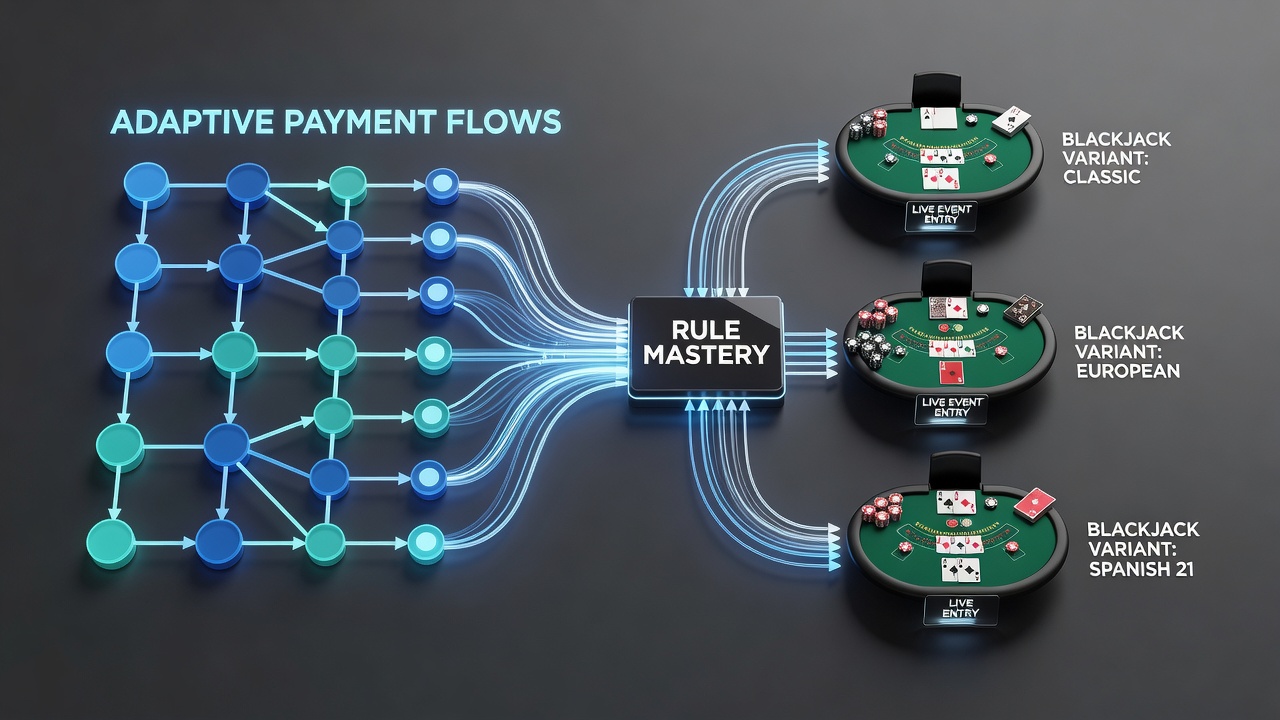
Adaptive Transactions: Enhancing Rule Understanding and Entry into Live Blackjack Events Across Variants
Adaptive payment systems now connect practice sessions directly to rule comprehension exercises and live tournament registrations across multiple blackjack variants, and these flows allow users to adjust transaction parameters based on game-specific requirements while maintaining compliance with platform rules. Data from industry reports shows that platforms incorporating real-time payment adjustments report higher completion rates for rule mastery modules, particularly when users transition between variants such as Spanish 21, Double Exposure, and standard blackjack.
Payment Flexibility in Rule Mastery Pathways
Platforms track how payment options align with tutorial progress, and users who select flexible deposit schedules often complete variant-specific rule drills faster than those restricted to fixed methods. Research indicates that integration of digital wallets with learning modules enables incremental funding, which supports repeated practice without interrupting session flow. Observers note that this setup reduces barriers for players exploring rule differences like dealer hit policies on soft 17 or surrender options across regional variants.
Studies from academic institutions in North America reveal correlations between payment adaptability and retention in educational sequences, whereas rigid systems show higher dropout rates during complex variant transitions. Those who've examined platform analytics find that features such as instant micro-transactions help maintain momentum when users switch from one blackjack modification to another mid-session.
Live Event Entries Through Dynamic Funding
Tournament brackets in networked environments now link entry fees to adaptive payment processors, and this connection lets participants scale their commitments according to variant rules and schedule demands. Figures from gaming associations in Canada demonstrate that events scheduled for August 2026 incorporate these systems to accommodate varying player bankroll preferences while adhering to entry deadlines. Platforms using such flows report smoother registration peaks during live dealer sessions that feature multiple blackjack adaptations simultaneously.
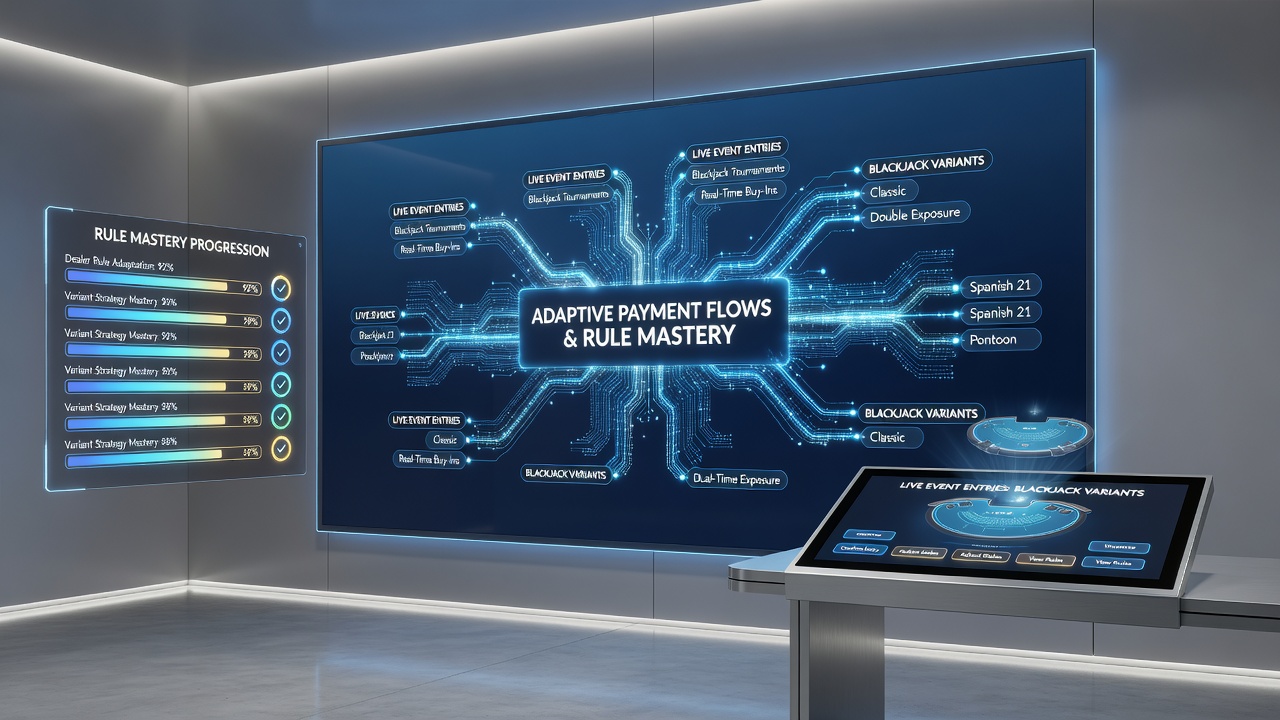
One case examined by researchers at a European university highlighted how seamless wallet integrations allowed entrants to adjust stakes mid-bracket without exiting the application, and this capability proved especially useful in events mixing rule sets from different jurisdictions. Data shows that live event organizers increasingly rely on these mechanisms to handle high volumes of variant-specific entries during peak periods.
Networked Platforms and Variant-Specific Adjustments
Networked mobile environments use payment APIs that detect variant rules in real time, and this detection triggers corresponding transaction options for users preparing for live competitions. Evidence from Australian regulatory summaries points to improved compliance tracking when payment flows adapt to local restrictions on certain blackjack modifications. Participants often discover that these adjustments simplify the process of funding accounts for events that require specific rule knowledge, such as those involving side bets or multi-hand formats.
Industry organizations across Asia-Pacific regions have documented how such systems support cross-variant progression, while users move from practice rounds to bracket qualification without manual intervention. What's interesting is that platforms record fewer transaction errors when adaptive features handle currency conversions and fee structures automatically during live event sign-ups.
Conclusion
Adaptive payment flows continue to shape how players approach rule mastery and live event participation across blackjack variants, and ongoing developments in August 2026 are expected to expand these connections further through enhanced platform integrations. Data from multiple sources confirms measurable impacts on user progression and event accessibility when transaction flexibility aligns with game-specific demands.